High Performance, Dual Cure, ‘B Stage’ Adhesives for Electronic Device Assembly

Thermosetting adhesive systems are cross linked (cured) by a reaction with a designated stimulus. Adhesive curing is categorised into 3-stages:
- A-Stage (Uncured): The resin is in its raw form and is fusible and soluble and is mixed with the curing agents. It is in this stage that the adhesive can be easily processed and applied to the target substrates.
- B-Stage (Intermediate, partially cured): The B‑staging mechanism works by partially curing the adhesive—using heat or UV—to convert it into a solid, fusible state that can be handled and stored without flowing.
- C-Stage (Full Cure): Resin is completely crosslinked into a thermoset and becomes hard, infusible, insoluble and develops some chemical resistance.
Adhesive B-Stage:
B-stageable adhesive systems offer significant manufacturing advantages, including flexible processing, reduced waste, and improved precision. These types of adhesives are partially cured before final assembly, allowing for staged production and better control. There are two traditional cure combinations used to perform a ‘B-Stage’ curing process: -
- UV + Thermal Cure.
- UV + Moisture Cure.
In both B-stage cure combinations UV cure conditions are used to provide the initial tack in place (B-stage) before a final cure (C-stage) using either heat or moisture depending on the adhesive design.
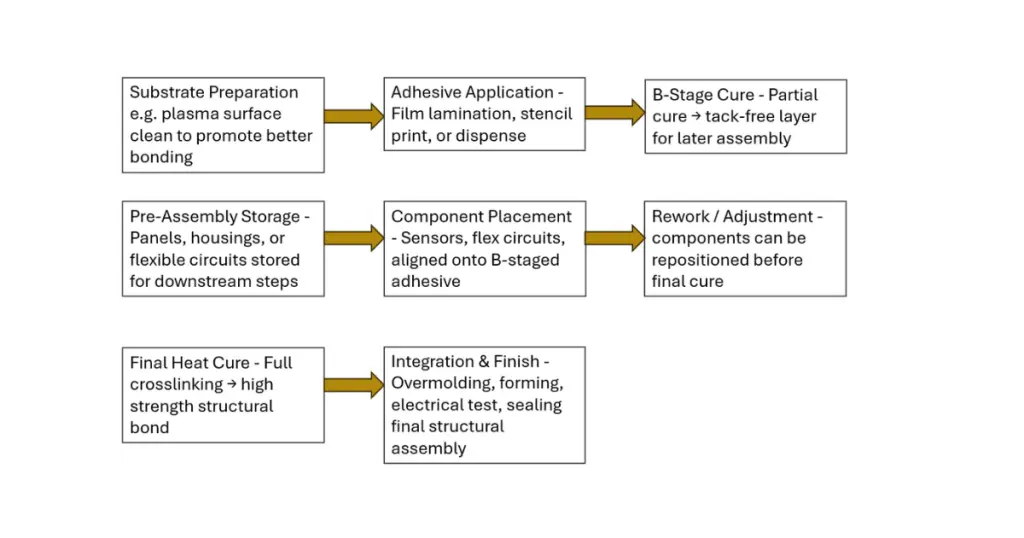
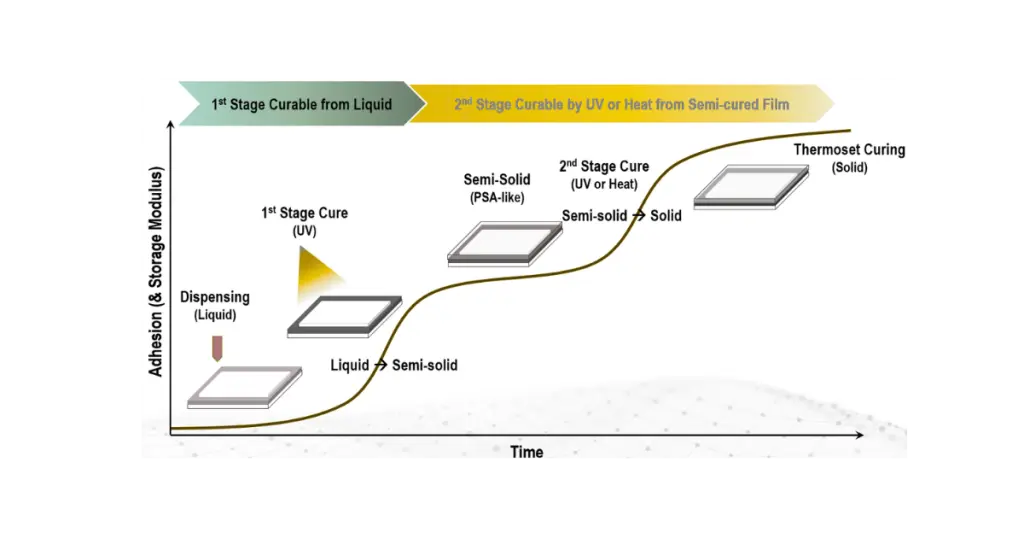
The Key Benefits of B-Stageable Adhesive Systems
B‑stageable adhesive systems offer flexible processing by allowing adhesives to be applied, partially cured, stored, and later fully cured, which separates application from final bonding and suits batch manufacturing. Their solid or semi‑solid state improves handling, reduces mess, and simplifies storage compared to liquid systems. Because the adhesive is pre‑applied, manufacturers gain greater precision and consistency in bond‑line control while eliminating variability from manual mixing. Altogether, these advantages streamline production, reduce waste and rework, and ultimately lower overall manufacturing costs.
In addition, high‑performance B‑stageable adhesives deliver excellent adhesion, chemical resistance, and mechanical strength after final cure, making them well‑suited for demanding applications in electronics, aerospace, and automotive environments. They also offer valuable reworkability before the final heat cure, allowing components to be repositioned or adjusted during assembly, which helps improve overall manufacturing yield.
Typical Applications for B-stageable Adhesives
B-Stageable adhesive systems are especially valuable in high-volume or precision manufacturing environments where timing, consistency, and performance are critical. This makes them often ideally suited for industrial electronic assembly: -
• Electronics packaging ( IC bonding, PCB laminates, Optical sensors, displays, etc..)
• Automotive assembly (Automotive optical sensors)
• Aerospace components
• Medical devices
Main Types of B-Stageable Adhesives
B-stageable adhesives come in several types, primarily based on their chemistry and application format, including epoxies, acrylics, and adhesive films. Each type offers unique benefits for specific industries like electronics, aerospace, and automotive.
1. B-Stage Epoxy Adhesives
• Most common type used in electronics and structural bonding.
• Chemistry: One-part systems with latent curing agents (e.g., aromatic amines).
• Properties: High strength, thermal resistance, and electrical insulation.
• Applications: Semiconductor packaging, PCB assembly, fibre optics.
2. B-Stage Acrylic Adhesives
• Faster curing than epoxies, often UV- or heat-activated.
• Properties: Good flexibility and impact resistance.
• Applications: Automotive trim, electronics, and medical devices.
• Note: Less common than epoxies but useful for rapid processing.
3. B-Stage Adhesive Films
• Pre-formed solid films that are partially cured and supplied on release liners.
• Properties: Precise thickness control, easy handling, and clean application.
• Variants: Electrically conductive, thermally conductive, or insulating.
• Applications: Aerospace, medical devices, consumer electronics.
KRYLEX KD7009 Series B-stageable Adhesive:
KRYLEX KD7009 is a B‑stageable adhesive system designed to deliver both a rapid UV B‑stage and a low‑temperature thermal C‑stage cure. The series provides a range of optimized processing options, allowing different levels of UV B‑stage conversion depending on the needs of the application. The UV B‑stage occurs quickly and produces a tack‑free surface, enabling easy handling, storage, and downstream component placement before final cure. Despite its low thermal cure onset of around 60–70 °C, the B‑staged adhesive remains highly stable and can be stored at ambient conditions for approximately one week without affecting placement behavior, wet‑out, or final C‑stage cure performance. This stability gives manufacturers significant flexibility in structuring their production flow. After component placement, the C‑stage cure initiates at roughly 60 °C and completes within 30–60 minutes, producing strong adhesion to a wide range of plastics, metals, and composites. Once fully cured, the adhesive demonstrates excellent reliability in environmental conditioning studies.
KRYLEX KD7009FJ:
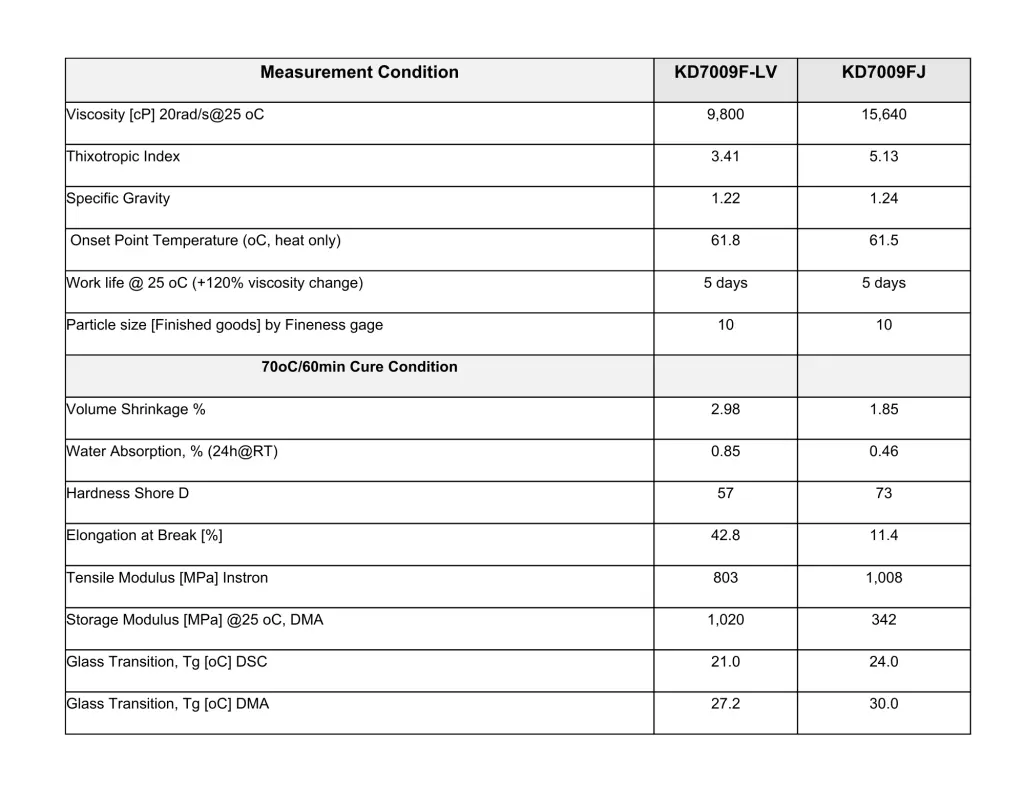
KRYLEX KD7009FJ:
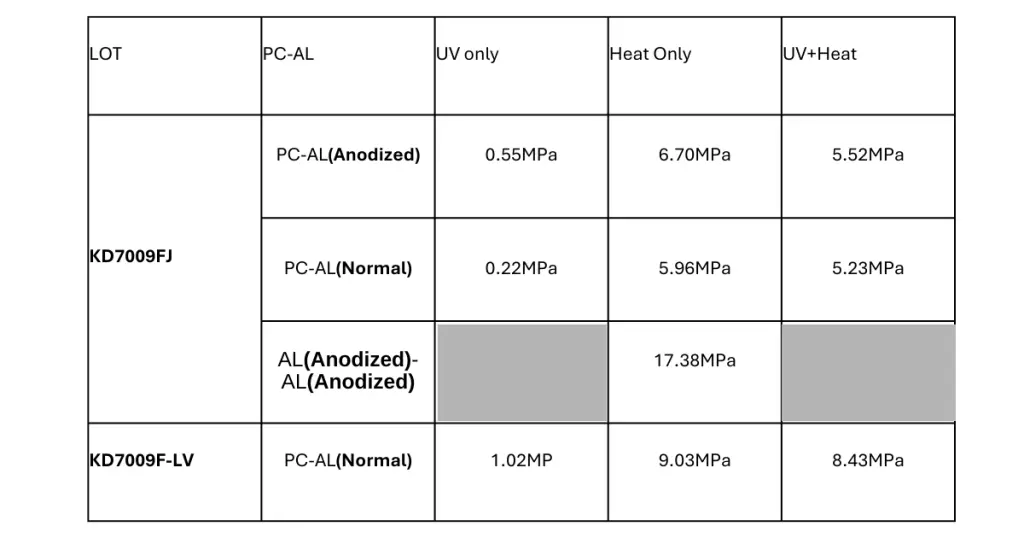
Summary:
The KD7009 Series B‑stageable adhesive gives customers exceptional process flexibility for high‑end structural and electronic device assembly, thanks to its wide B‑stage processing window and versatile chemistry. In addition to this manufacturing freedom, the system delivers excellent post‑cure adhesion strength, robust environmental reliability, and strong chemical resistance, making it well‑suited for demanding applications.
Paul Gleeson – Global Key Account Manager – Electronics.
Dr. Kwang-su Seo, Senior Vice President R&D
For more information, please contact your local KRYLEX representative, KRYLEX.COM or email pgleeson@chemence.com for more information.
March 13, 2026
Andy Lard